

New Zealand Regulates Large N2O Canisters: Psychoactive Classification and Import Permits in Force Since 5 June 2026
2026-10-26
New Zealand's Psychoactive Substances (Nitrous Oxide) Regulations 2026 came into force on 5 June 2026, closing the two channels through which high-capacity N2O had reached the retail market. Under the new rules, any canister holding more than 10 grams of nitrous oxide that is marketed for whipping cream is automatically classified as a psychoactive substance under the Psychoactive Substances Act 2013 — enforcement no longer requires proof of intent. In parallel, importing nitrous oxide in any form now requires a permit issued by the Director-General of Health. The measures were announced on 29 April 2026 by Health Minister Simeon Brown and Police Minister Mark Mitchell, and they place New Zealand alongside the growing list of jurisdictions moving large-format N2O into documented, permit-based channels.
Why the Government Acted
Announcing the measures, Health Minister Brown said that although recreational use of nitrous oxide is already illegal in New Zealand, misuse continues to grow and has become a serious public health concern, with harms that are significant, long-lasting, and likely under-reported. The government's statement lists short-term effects including dizziness, impaired judgement, and blackouts — risks that compound when combined with driving, alcohol, or other drugs — and notes that heavy or repeated use can damage the nervous system and cause long-term neurological injury. Police have linked nitrous oxide inhalation to a number of serious road crashes, some of them fatal.
What the New Rules Say
| Measure | Detail | Status |
|---|---|---|
| Large canister classification | Canisters with a net weight above 10g of N2O sold as "cream chargers" are declared psychoactive substances, regardless of the stated culinary purpose | In force since 5 June 2026 (SL 2026/165) |
| Import permit requirement | Importing nitrous oxide in any form is unlawful without a permit from the Director-General of Health, under the Customs and Excise Act 2018 | In force since 5 June 2026 |
| Existing penalties | Selling or supplying N2O for psychoactive effect carries up to two years' imprisonment or fines up to NZ$500,000 | Already in force, now easier to enforce |
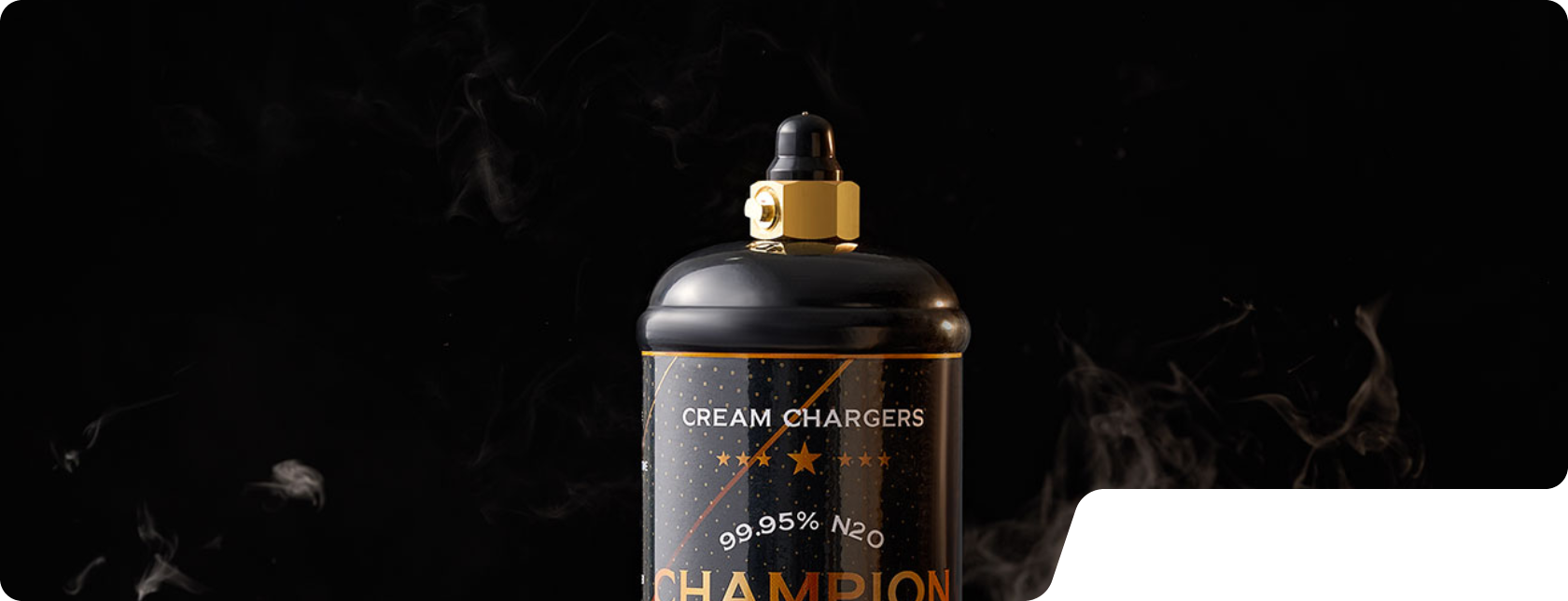
The Ministry of Health's position on large canisters is unusually direct. Officials note that these containers hold up to 3.3 litres of gas, compared with roughly 8–9 grams in a standard small charger, and state that the ministry "has not identified any legitimate use" for the large format, having found no evidence of caterers using canisters of this size. Police Minister Mitchell added that there is no reason for dairies or vape stores to be selling nitrous oxide at all.
The Importer Permit Scheme
To keep lawful supply moving, Medsafe has established and now administers the Nitrous Oxide Importer Permit Scheme. The scheme covers commercial, industrial, medicinal, scientific, educational, and food preparation uses. Medsafe issues a permit when two conditions are met: the nitrous oxide is intended for a lawful use, and the importer will take reasonable steps to avoid diversion to unlawful use. The agency reports that it has already been engaging with importers and assessing early applications; importers can reach the scheme at nitrousoxideregulations@health.govt.nz.
What This Means for Culinary Buyers and Importers
- Standard 8g cartridges are outside the classification. The 10-gram threshold leaves conventional cream chargers available through normal food-preparation channels, and the permit scheme explicitly names food preparation as a lawful use.
- Large-cylinder supply into New Zealand now runs on permits. Importers and distributors handling 580g and larger cylinders need a Medsafe permit before shipment, plus documented evidence of the buyer's lawful use on file.
- Culinary users of large cylinders should expect scrutiny. Given the ministry's stance that it has not identified a legitimate use for the format, commercial kitchens using large cylinders should keep purchase records, batch Certificates of Analysis, and usage documentation ready for inspection.
- The pattern is now global. New Zealand's permit model follows U.S. state-level retail restrictions and Australia's pending TGA review, all pushing large-format N2O toward documented B2B channels — see our 2025–2026 global policy roundup for the wider picture.
We manufacture food-grade N2O chargers and cylinders exclusively for culinary and beverage programs, with batch Certificates of Analysis supplied on every order. For compliant B2B supply with full documentation, our wholesale program supports registered culinary accounts across export markets.
Sources
- New Zealand Government (Beehive), Cracking down on nitrous oxide misuse, 29 April 2026
- Ministry of Health NZ, Nitrous oxide regulatory changes, June 2026
- Ministry of Health NZ, Cabinet material: Psychoactive Substances (Nitrous Oxide) Regulations 2026
- New Zealand Legislation, Psychoactive Substances (Nitrous Oxide) Regulations 2026 (SL 2026/165)

Elevate Your Creations with
Champion Whip
Explore our premium whipped cream chargers – designed for perfectionists.
View our Products


