

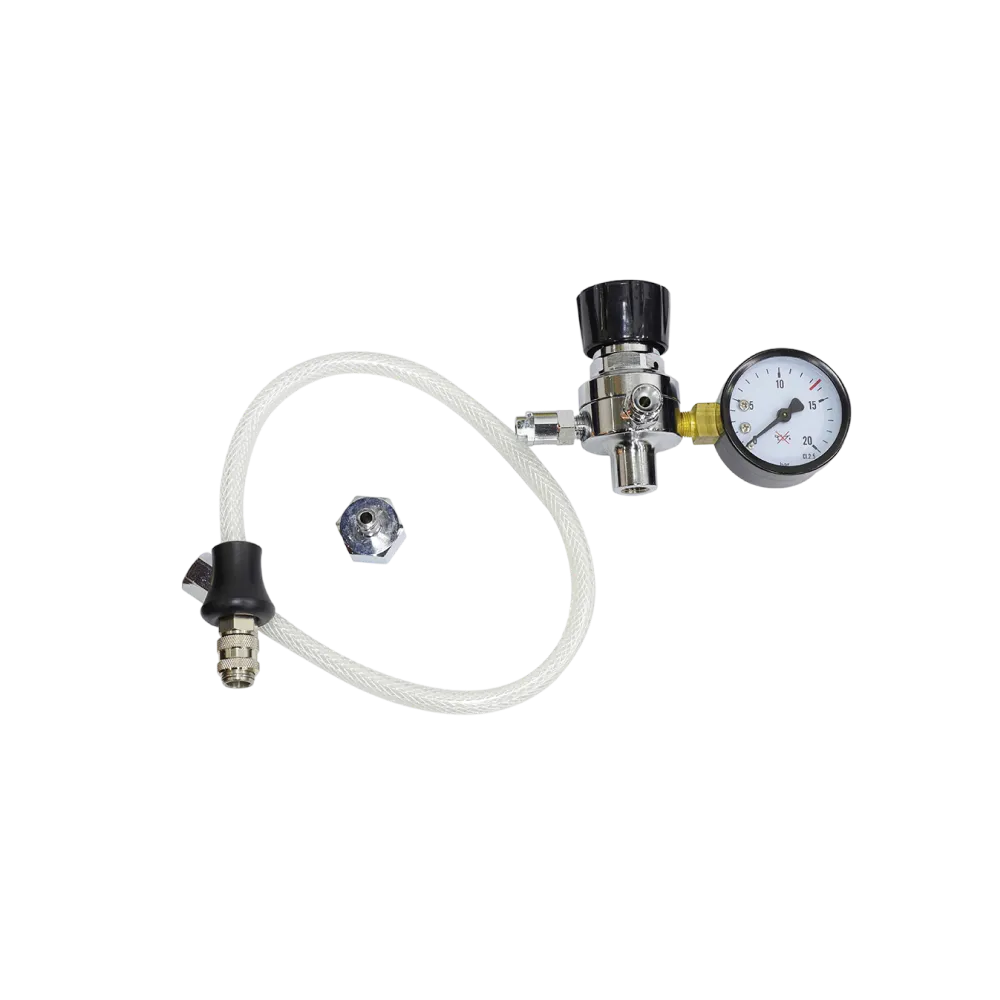



For distributors, foodservice operators, and brand owners sourcing pressure regulators in volume, the buying decision goes beyond price. The wrong regulator means leaks during service, premature wear under daily use, or compatibility issues that force costly returns. Below are the practical points worth checking before placing a wholesale order.
Which Scenarios Need a Pressure Regulator
A pressure regulator becomes essential the moment your operation moves beyond 8g cream cartridges. Typical scenarios include:
- Cafés and dessert shops producing 2L+ of whipped cream daily — replacing 8g cartridges every batch is operationally unsustainable.
- Cocktail bars and mixology programs running infusions, espumas, and rapid foams that require fine-tuned pressure control across recipes.
- Bakeries and chain restaurants that need consistent texture across high-volume daily output, where batch-to-batch variation isn't acceptable.
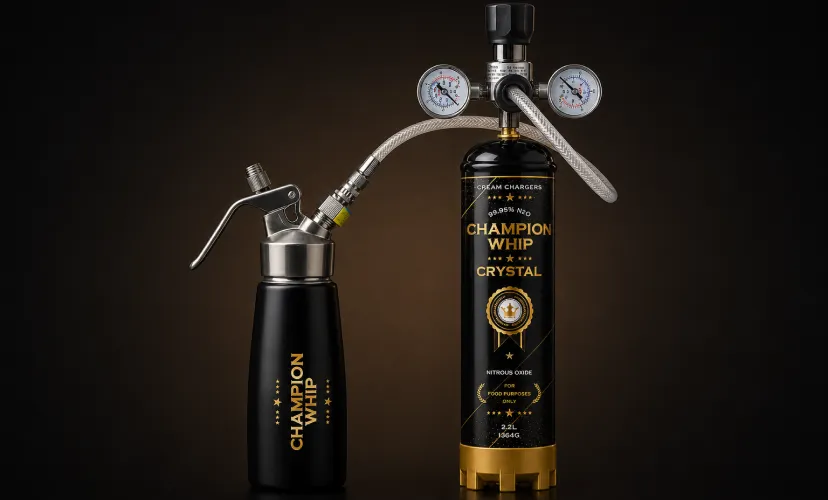
- Distributors selling large N2O cylinders (320g and above) — pairing each cylinder with a regulator becomes a complete solution for end customers, increasing average order value.
What to Check Before Placing a Wholesale Order
Five technical checkpoints separate a reliable regulator from a problematic one:
| Inlet Thread | M11×1 is the global standard for food-grade N2O cylinders. Non-standard threads cause sealing issues and tank-side leaks. |
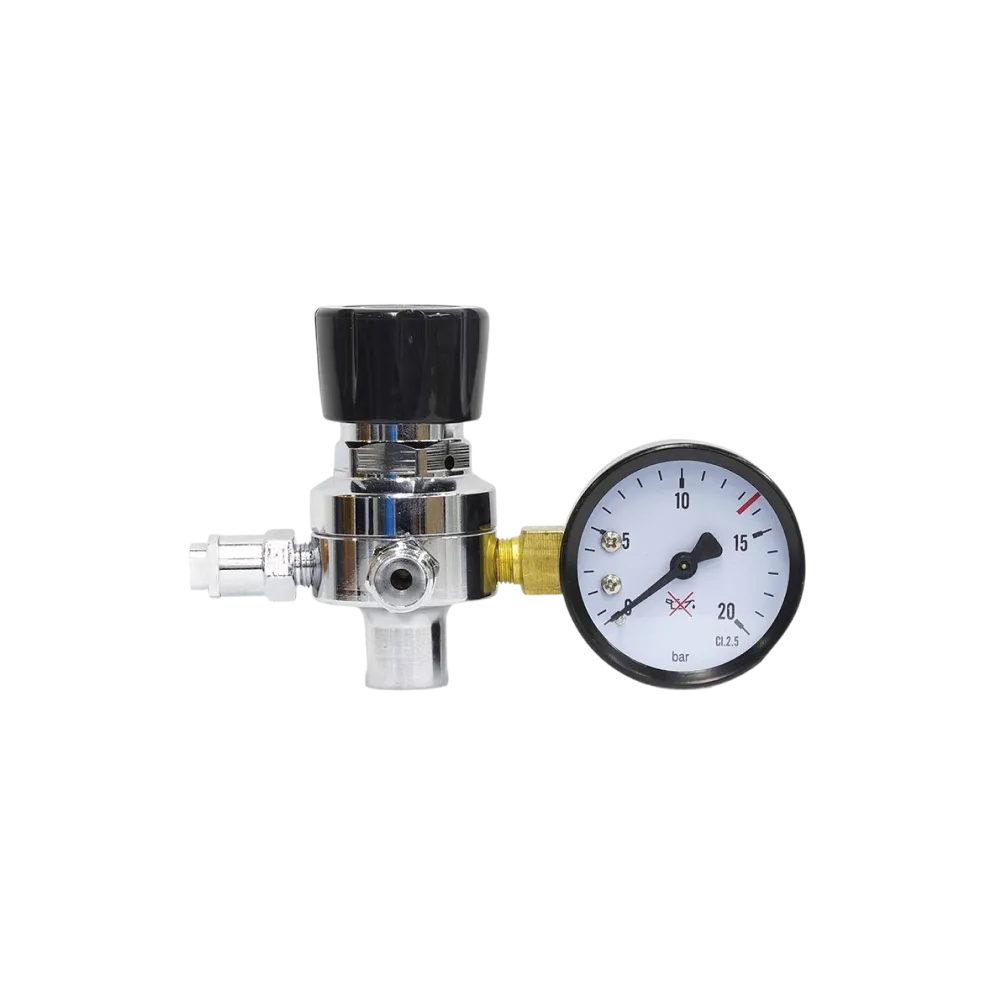
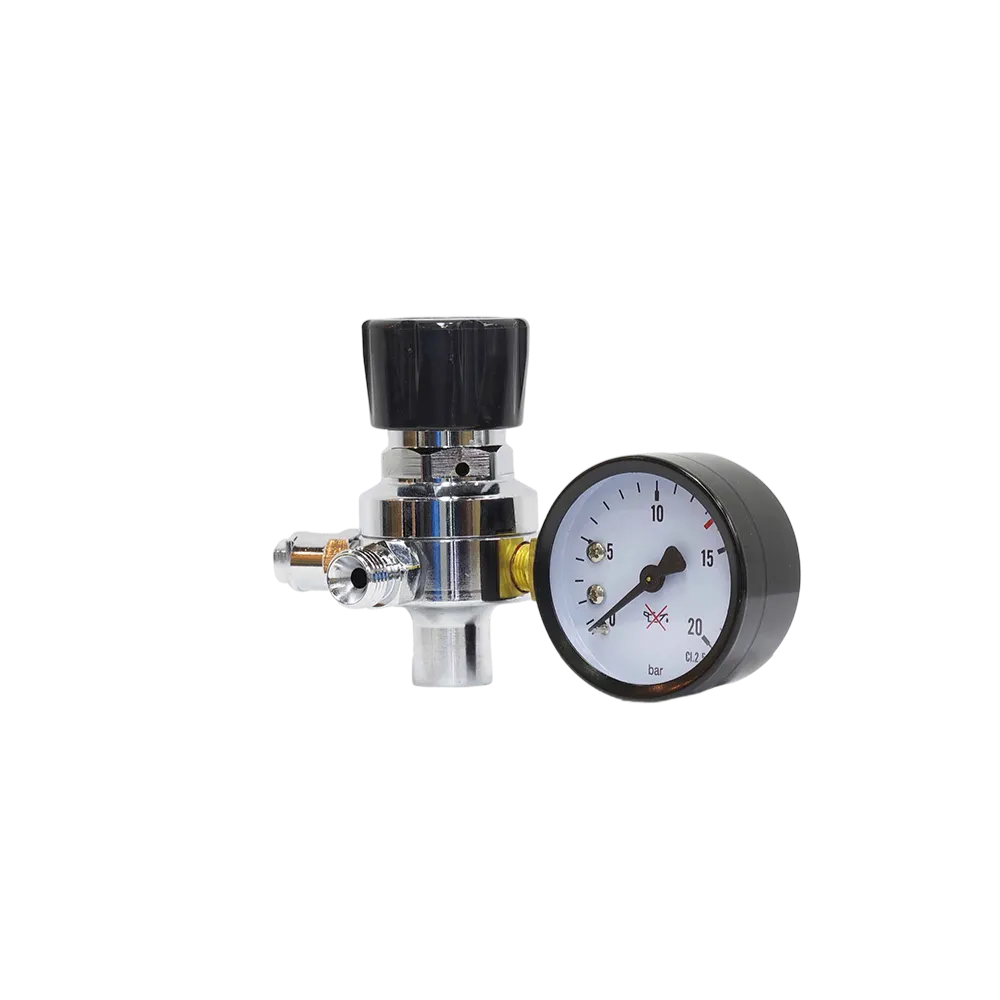
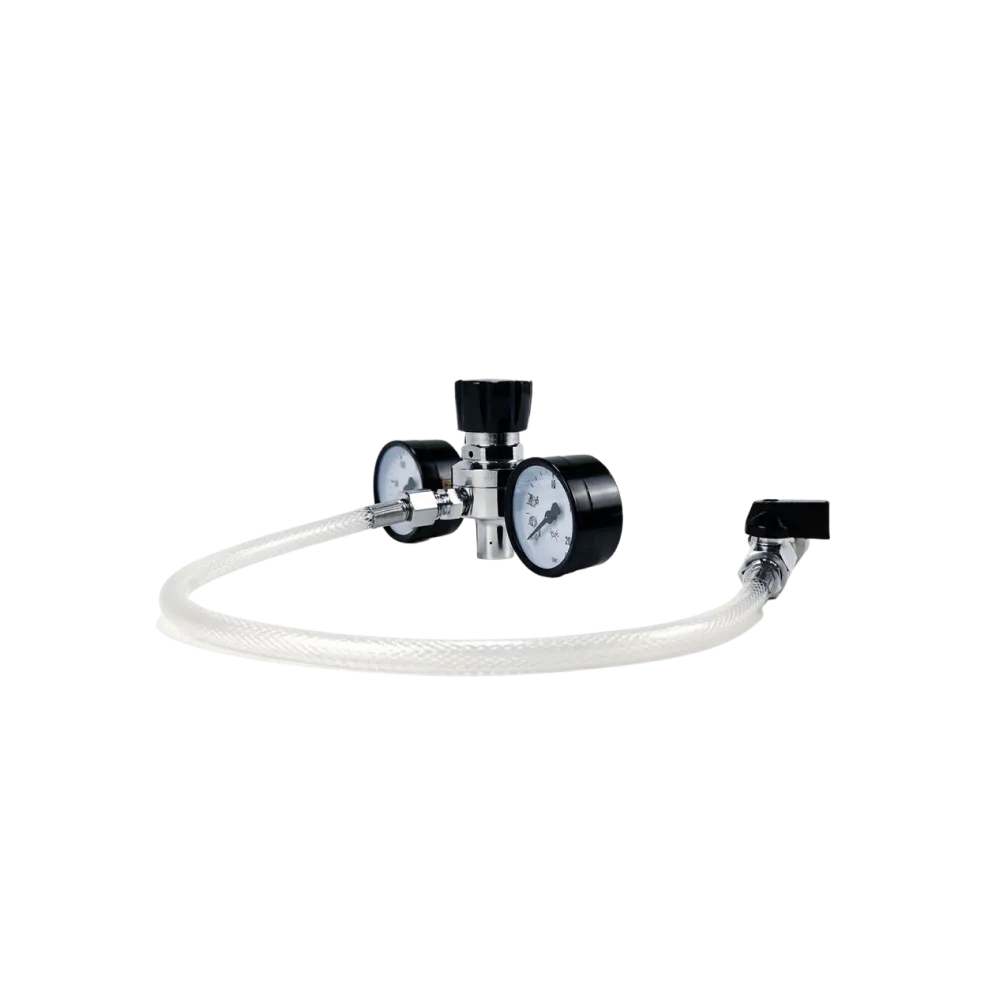
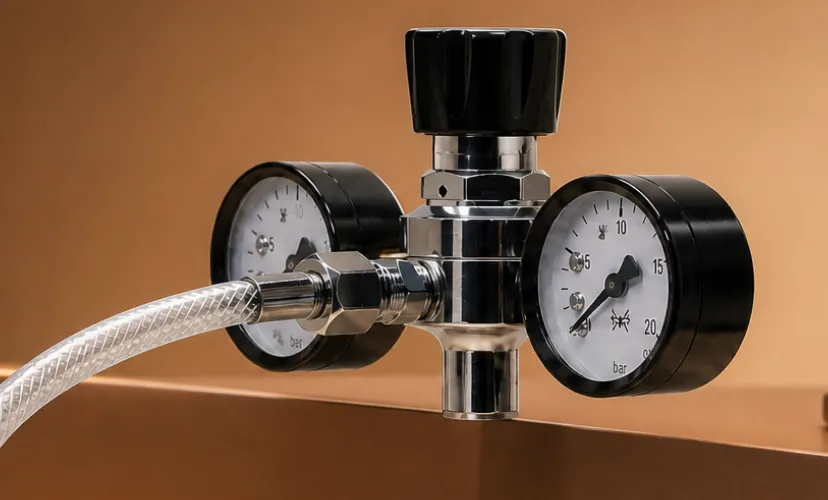
| Gauge Type | Dual gauge (tank pressure + working pressure) is preferred for professional use. Single gauge is acceptable for fixed-setting operations. |
| Pressure Range | Working output should cover 0–20 bar to handle all common cream and foam recipes. Inlet rating must support full cylinder pressure (typically 200–250 bar). |
| Build Material | Solid brass body with chrome plating offers the best corrosion resistance and longevity in commercial kitchen environments. |
| Leak Testing | Confirm the supplier performs 100% factory leak testing before shipment — not random batch sampling. |
Maintenance and Service Life
A well-built pressure regulator should last 3–5 years in regular commercial use, longer in light-duty settings. To maximize service life:
- Always back the adjustment knob fully off before disconnecting from a cylinder — this releases internal spring tension and extends diaphragm life.
- Inspect the inlet O-ring monthly. Replace at the first sign of cracking, flattening, or hardening — it's a low-cost consumable that prevents most leak issues.
- Wipe down external surfaces and gauge faces weekly. Avoid harsh chemicals or abrasive cleaners.
- Store the regulator separately from the cylinder when not in use, in a dry environment away from direct heat.
Cost Efficiency vs 8g Cartridges
For operations consuming more than 2L of whipped cream per day, switching from 8g cartridges to a large N2O cylinder paired with a pressure regulator typically reduces gas cost per unit by 50–70%. The regulator is a one-time investment that pays back within weeks for most foodservice operations. For distributors, bundling regulators with large cylinders creates a complete solution that's easier to sell than either component alone.


