

Tennessee Bans Retail Nitrous Oxide Sales from July 1 — Foodservice B2B Supply Exempt
2026-05-20
Tennessee Governor Bill Lee signed Public Chapter 702 into law on April 14, 2026. Starting July 1, 2026, the sale of nitrous oxide (N2O) to consumers through retail channels is prohibited statewide. The law includes a clear exemption for food-grade N2O supplied business-to-business for culinary and foodservice use. For cream charger manufacturers and B2B distributors, this law reinforces a split that regulators across North America are now drawing consistently — between recreational inhalation products and the commercial food supply chain.
What the Law Does
Tennessee Public Chapter 702 bans the sale of nitrous oxide at retail where the intended use is inhalation. Key provisions at a glance:
| Provision | Detail |
|---|---|
| Effective date | July 1, 2026 |
| Scope | Statewide retail ban on N2O sold for inhalation |
| Exempted parties | Licensed foodservice operators, commercial kitchens, B2B food-grade distributors |
| Signed into law | April 14, 2026 |
| Reference | Tennessee Public Chapter 702 |
The law targets the consumer retail channel — smoke shops, convenience stores, and online retailers selling N2O to individuals for inhalation. It does not restrict manufacturers or distributors supplying food-grade N2O to restaurants, bakeries, cafés, or other licensed food businesses.
The B2B Exemption — What It Covers
Food-grade nitrous oxide used as a whipping agent in commercial cream dispensers is classified as a food additive — E942 under FAO-WHO INS 942 standards, and 21 CFR §184.1545 under FDA rules. Tennessee law does not override that classification.
In practice, the exemption means:
- Wholesale cream charger supply to licensed restaurants, hotels, and food manufacturers is unaffected
- B2B distributors holding valid food business licenses can continue normal operations
- OEM cream charger brands supplying the foodservice channel face no new restrictions
What changes is the consumer-facing retail side. Suppliers selling in novelty or consumer packaging through retail channels — particularly flavored or brightly branded products — lose their legal path in Tennessee after July 1.
Part of a Broader North American Trend
Tennessee is not acting alone. Several other jurisdictions have moved in the same direction over the past six months:
- Health Canada issued a Type I recall (RA-82056) on May 11, 2026 for six N2O cream charger brands sold for inhalation without market authorization — affecting retailers nationwide
- Nassau County, New York introduced legislation in late February 2026 to limit N2O retail sales to licensed food businesses only
- Massachusetts imposed age verification and advertising restrictions on N2O retail while preserving the foodservice supply channel
- Metro Vancouver's regional government pushed federal authorities to ban large disposable valve cylinders sold in vape shops, with specific carve-outs for cream chargers used in professional kitchens
The regulatory logic is consistent across all of these: target the consumer inhalation retail channel, protect the food-grade supply chain.
What B2B Buyers Should Verify Now
With Tennessee's July 1 deadline approaching, buyers sourcing cream chargers internationally should confirm the following with their suppliers:
- Product positioning. Is the supplier's line marketed for foodservice use or to general consumers? Suppliers with consumer-facing branding face compounding legal exposure as more states act.
- Regulatory documentation. Compliant manufacturers can provide food-grade certification on request — FDA, CE, FSSC22000, SGS, or equivalent — plus purity certificates showing ≥99.9% N2O.
- Supply chain transparency. Know where the gas is produced, what purity standard it meets, and whether the production facility holds food-contact certification.
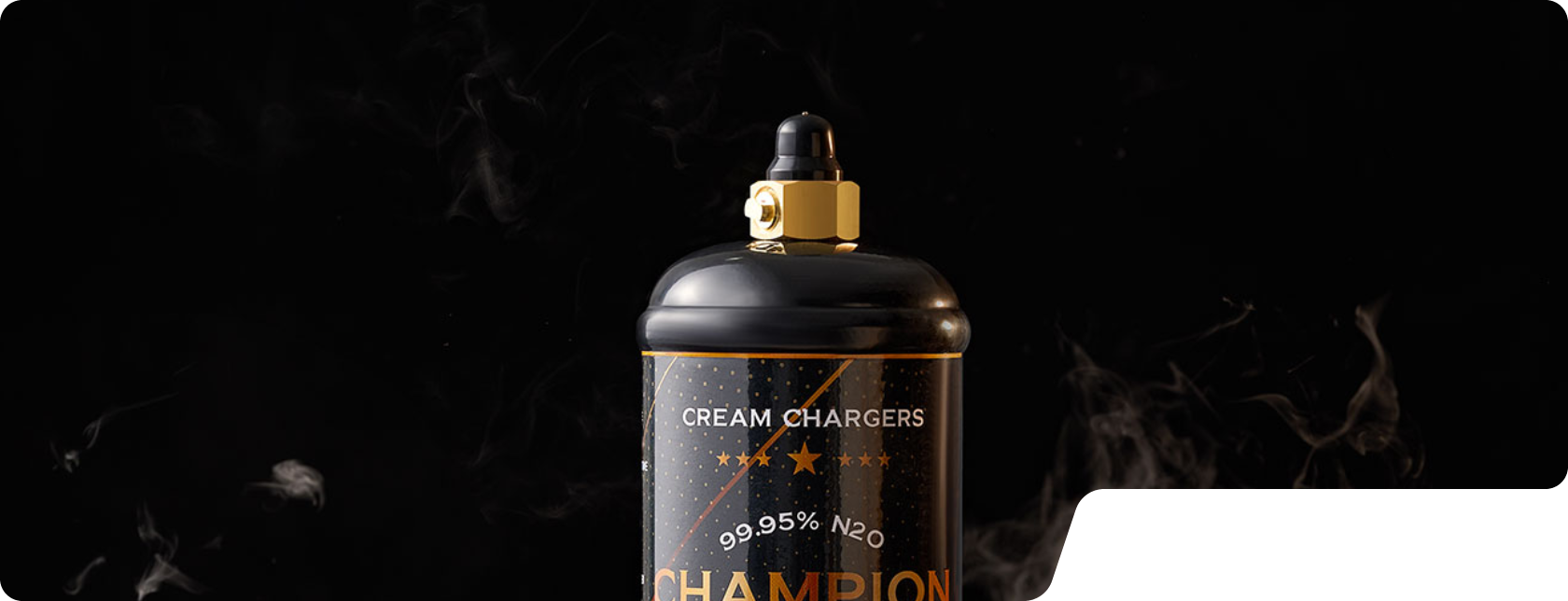
Champion Whip produces food-grade N2O directly from our factory at 99.95% purity, certified to FDA, CE, FSSC22000, and SGS standards. Our supply chain is built specifically for the B2B foodservice channel — the segment that current legislation explicitly protects. Wholesale partnerships are available for distributors, and OEM customization for brand owners sourcing compliant private-label cream chargers.
Sources
- National Today Nashville — Tennessee Set to Ban Retail Sale of Nitrous Oxide (March 31, 2026)
- Health Canada — Nitrous Oxide Whipped Cream Chargers: Sold for Inhalation Without Market Authorization (May 11, 2026)
- LongIsland.com — Nassau Republicans Introduce Nitrous Oxide Consumer Protection Act (February 27, 2026)

Elevate Your Creations with
Champion Whip
Explore our premium whipped cream chargers – designed for perfectionists.
View our Products


