
How to Make Cold Foam with a Cream Whipper: Recipes, Tips and Café-Scale Guide
2026-05-30
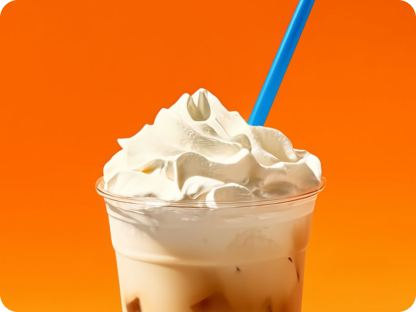
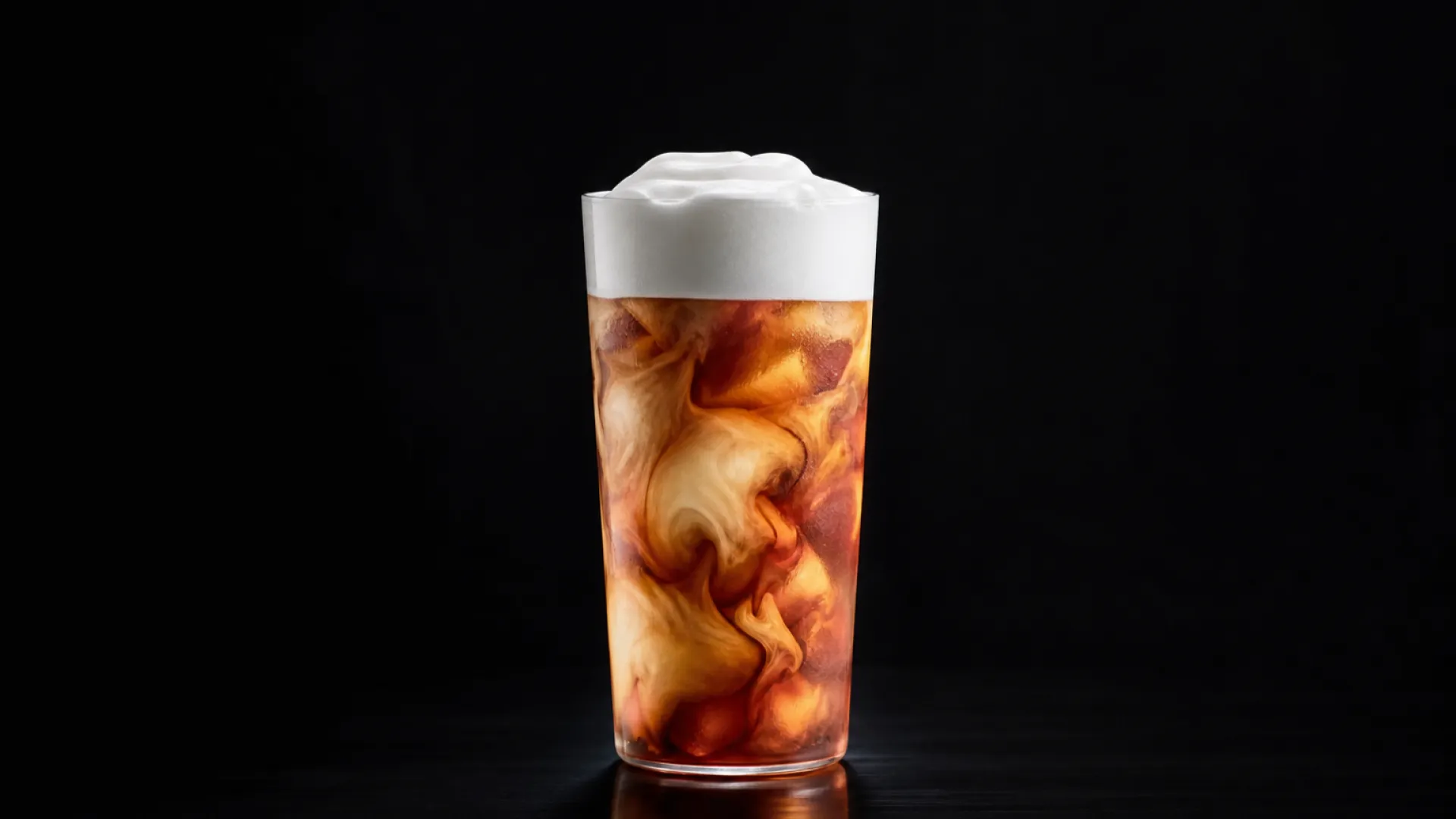
Cold foam has become one of the most requested coffee toppings in cafés worldwide — a silky, dense layer of chilled milk foam that sits on top of cold brew, iced lattes, and blended drinks without dissolving into the liquid the way steamed milk does. Most baristas use a handheld frother or steam wand to make it. If you have a cream whipper and N2O chargers in your kitchen or behind your bar, you can produce cold foam that's more consistent, scalable, and longer-lasting than anything a frother can achieve.
This guide covers the science behind N2O cold foam, base recipes, flavor variations, and what you need to get it right at commercial volume.
What Makes Cold Foam Different from Whipped Cream
Cold foam and whipped cream are both aerated dairy products, but they're built differently. Whipped cream uses high-fat cream (35%+ fat) — the fat molecules wrap around air bubbles and hold them rigidly. Cold foam uses low-fat or non-fat milk, where the foam is stabilized by milk proteins (primarily casein and whey) rather than fat. The result is a lighter, wetter foam that flows slightly when poured but holds its shape on top of a cold drink for several minutes.
In a cream whipper, N2O dissolves into the milk base under pressure. When dispensed, the rapid pressure drop aerates the liquid through protein stabilization — the same mechanism that makes cold foam work, just faster and more controlled than a handheld frother.
| Property | Cold Foam | Whipped Cream |
|---|---|---|
| Fat content | 0–5% (skim to low-fat milk) | 35–48% (heavy cream) |
| Stabilizer | Milk proteins (casein, whey) | Fat molecules |
| Texture | Light, silky, slightly pourable | Dense, stiff, holds shape firmly |
| Use on cold drinks | Yes — floats on surface | No — sinks or deflates quickly |
| Temperature | Must be cold (1–5°C) | Must be cold (4–7°C) |
Base Cold Foam Recipe for a Cream Whipper
The standard cold foam recipe is simple. The variables that matter are milk fat content, temperature, and charger ratio.
Classic cold foam (0.5L dispenser):
- 400ml cold skim milk or 2% milk (1–5°C)
- 1–2 tbsp simple syrup or powdered sugar (optional, for sweetness)
- 1 × 8g N2O cream charger
Method: Add cold milk and sweetener to the dispenser. Seal, insert charger, shake 4–5 times. Dispense slowly at an angle — tilt the dispenser so the nozzle points slightly upward to get the characteristic layered pour. Serve immediately over cold brew or iced coffee.
Key variables:
- Temperature is critical. Milk above 7°C will not foam properly under N2O — the protein structure loosens at higher temperatures and cannot trap bubbles. Keep milk refrigerated until the moment you load the dispenser.
- Fat content determines texture. Skim milk (0% fat) produces the lightest, most pourable cold foam — closest to Starbucks-style. 2% milk produces slightly denser foam with more body. Whole milk (3.5% fat) produces something between cold foam and whipped cream — usable, but thicker than traditional cold foam.
- Charger ratio. One 8g charger per 400–500ml of milk base. Using two chargers creates over-pressurization and produces a stiffer, denser foam — which some operators prefer for seasonal drinks.
Flavored Cold Foam Recipes
Flavored cold foam is where this product category gets commercially interesting. Cafés can build a signature drink menu around cold foam variations without changing their core espresso or cold brew program.
| Flavor | Add-in (per 400ml skim milk) | Best paired with |
|---|---|---|
| Vanilla sweet cream | 2 tbsp vanilla syrup + 50ml heavy cream | Cold brew, iced black coffee |
| Brown sugar cinnamon | 2 tbsp brown sugar syrup + ½ tsp cinnamon | Iced espresso, oat milk latte |
| Matcha cold foam | 1 tsp culinary matcha + 1 tbsp simple syrup | Iced jasmine tea, cold brew |
| Salted caramel | 2 tbsp caramel sauce + pinch fine sea salt | Iced mocha, cold brew |
| Strawberry | 2 tbsp strawberry syrup or purée (strained) | Iced matcha, pink lemonade |
| Lavender honey | 1 tbsp lavender syrup + 1 tsp honey | Iced Earl Grey, cold brew |
| Cocoa cold foam | 1 tbsp sifted cocoa + 2 tbsp simple syrup | Iced latte, cold brew |
Important for flavored versions: All add-ins must be fully liquid and particle-free before loading into the dispenser. Strain syrups containing pulp, seeds, or undissolved solids — nozzle blockages are the most common issue with flavored cold foam at scale. Pre-mix and strain your flavored base in a jug before pouring into the dispenser.
Non-Dairy Cold Foam
Non-dairy cold foam has become a standard menu requirement for most cafés. The challenge is that plant-based milks have very different protein and fat structures from dairy milk, and they don't all behave the same way under N2O pressure.
- Oat milk: The most reliable non-dairy option for cold foam. Use barista-edition oat milk (Oatly Barista, Minor Figures, etc.) — these are formulated with added emulsifiers (typically rapeseed oil and dipotassium phosphate) that improve foam stability. Standard oat milk foams poorly. One 8g charger per 400ml.
- Coconut milk (lite): Lite coconut milk (5–10% fat) produces a cold foam with a mild coconut flavor and decent stability. Full-fat coconut cream produces whipped cream, not cold foam. Strain before loading.
- Almond milk: Difficult to foam with N2O alone due to low protein and fat content. Add ½ tsp soy lecithin per 400ml to improve stability. Result is lighter and less stable than oat milk foam.
- Soy milk: Higher protein than most plant milks — produces reasonable foam without additives. Unsweetened, unflavored varieties work best. Foam is slightly thinner than dairy cold foam.
Using Flavored N2O Chargers for Cold Foam
If you're running a café and want to produce flavored cold foam without adding syrups to every batch, flavored N2O cylinders offer a cleaner workflow. The flavor is carried in the gas and transfers directly into the milk base during charging — no syrup measuring, no straining, no nozzle risk from undissolved solids.
This approach works best for high-volume operations where consistency and speed matter more than bespoke flavor layering. Common flavor options — strawberry, vanilla, mango, blueberry — pair naturally with iced coffee and cold brew applications.
For commercial kitchens and café chains running multiple dispensers simultaneously, switching from individual 8g chargers to a cream whipper setup connected to a 640g cylinder via pressure regulator significantly reduces per-serve gas cost and speeds up dispensing during peak service.
Troubleshooting Cold Foam Problems
- Foam is too liquid / won't hold shape: Milk is too warm (above 7°C), or fat content is too high for cold foam (use skim or 2%). Chill milk to 1–3°C and retry.
- Foam is too stiff / dense: Milk fat content is too high, or you used two chargers where one was sufficient. Try skim milk with one charger.
- Foam collapses quickly: Non-dairy milk without sufficient protein or emulsifier. Switch to barista-grade oat milk, or add soy lecithin (½ tsp per 400ml).
- Nozzle blocked: Undissolved solids in flavored add-ins. Pre-strain your base before loading. After each use, dispense remaining pressure and rinse nozzle immediately with warm water.
- Gas escapes without foaming: O-ring is worn or damaged. Inspect the seal and replace if cracked. O-rings are the most common cause of dispenser failure in commercial settings.
- Inconsistent texture between batches: Milk temperature is varying. Standardize refrigeration temp and load time. In high-volume settings, pre-charge multiple dispensers at once and rotate on FIFO.
Cold Foam for Commercial Café Operations
For cafés adding cold foam to their permanent menu, a few operational decisions matter:
- Pre-charge during prep: Cold foam dispensers can be charged and refrigerated up to 2 hours before service. Beyond that, foam quality degrades as the N2O slowly escapes. Charge in batches at the start of each service window.
- Standardize pour volume: A standard cold foam portion for a 16oz drink is 60–90ml. With a 0.5L dispenser loaded with 400ml milk, you get approximately 5–7 portions. Factor this into your batch prep quantities.
- Label and date dispensers: Even with N2O's bacteriostatic properties, milk-based cold foam should not be held more than 4 hours outside refrigeration or more than 24 hours total after charging.
- Train on dispense angle: The signature layered cold foam effect requires dispensing at a low angle over the back of a spoon or at the edge of the cup. Straight-down dispensing produces a blob, not a layer. A brief team training on technique prevents inconsistent presentation.
Ready to Scale Your Cold Foam Program?
Whether you're setting up a single café dispenser or building a batch cold foam program for a chain, Champion Whip supplies food-grade N2O direct from our factory at 99.95% purity — certified FDA, CE, FSSC22000, and SGS. Our range covers standard 8g cream chargers, 640g flavored cylinders, and larger formats for high-volume operations. Contact us for wholesale pricing and OEM options.
FAQ
What is cold foam and how is it different from whipped cream?
Cold foam is a type of chilled milk foam made from low-fat or skim milk (0–5% fat), where foam stability comes from milk proteins (casein and whey) rather than fat. Unlike whipped cream, which uses high-fat cream (35%+ fat) and produces a dense, stiff product, cold foam is light, silky, and slightly pourable — designed to float on top of cold beverages without dissolving quickly. Cold foam should always be served cold (1–5°C); it does not hold up on hot drinks.
Can you make cold foam with a cream whipper?
What type of milk makes the best cold foam?
How do you make flavored cold foam at home or in a café?
Why is my cold foam not holding its shape?
Can you make non-dairy cold foam with a cream whipper?
How long does cold foam last after being made?
What is the right charger-to-milk ratio for cold foam?


Elevate Your Creations with
Champion Whip
Explore our premium whipped cream chargers – designed for perfectionists.
View our Products


